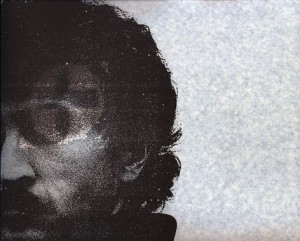
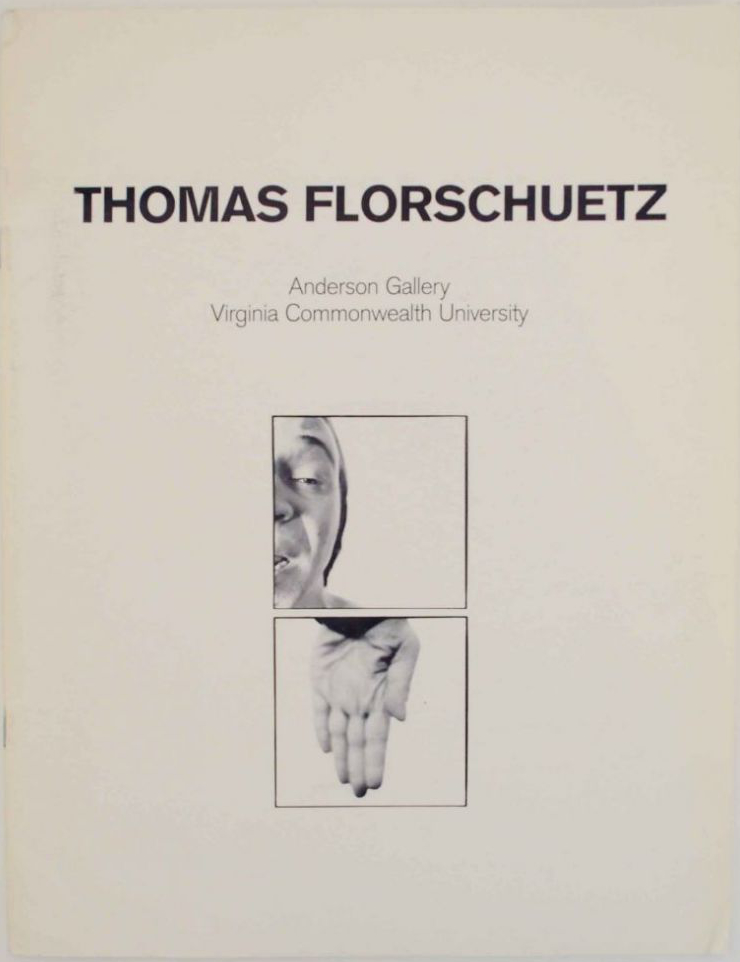
Recalling Hajas, in Nightmare Works: Tibor Hajas, Steven High ed., Anderson Art Gallery, Richmond, VA., 1990. The exhibition was August 30 – October 14, 1990
Photographs by Tibor Hajas, with essays by László Beke, JP Jacob, and Steven High
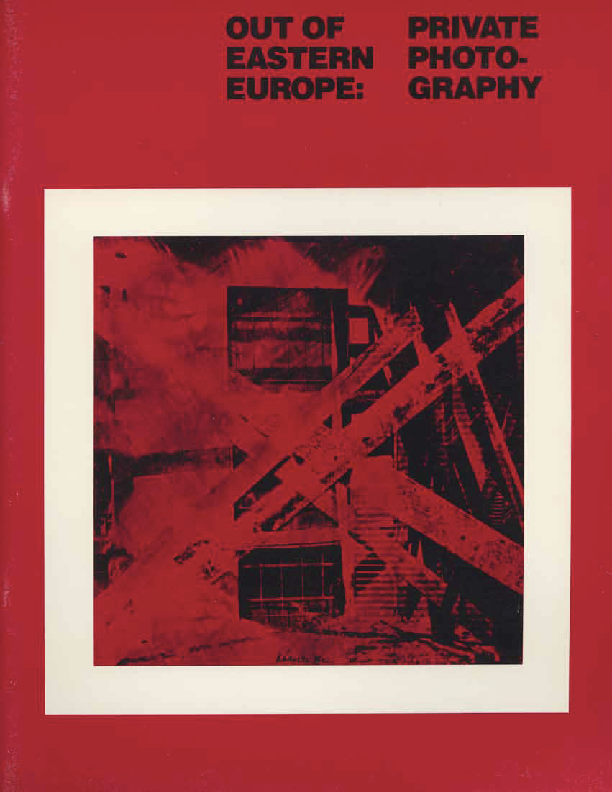
Jacob was introduced to Hajas’s work by Tibor Várnagy. Várnagy also introduced Jacob to János Vető, an artist and musician who collaborated with Hajas, documenting and making sequential artworks of his performances; to László Beke, who, from the late 1960s, was a catalyst for art networks and cross-border collaborations in and beyond Eastern Europe, and was Hajas’ most vocal advocate; and to György Széphelyi, Hajas’ brother. Várnagy and Jacob secured the approval by Széphelyi for the use of Hajas’ work in Out of Eastern Europe, and Jacob was given several original panels by Hajas and Vető as well as sequences printed by Várnagy from Vető’s negatives. At that time, Jacob also spoke with Beke and Széphelyi about a one-person exhibition in the US. They agreed to it once a retrospective had been presented in Hungary. The ideal of an exhibition at the Műcsarnok in Budapest, where Beke worked, was still politically impossible, so it opened at the István Király Múzeum. After the exhibition in Székesfehérvár, in 1987, Jacob began work in earnest on a Hajas exhibition in the US.
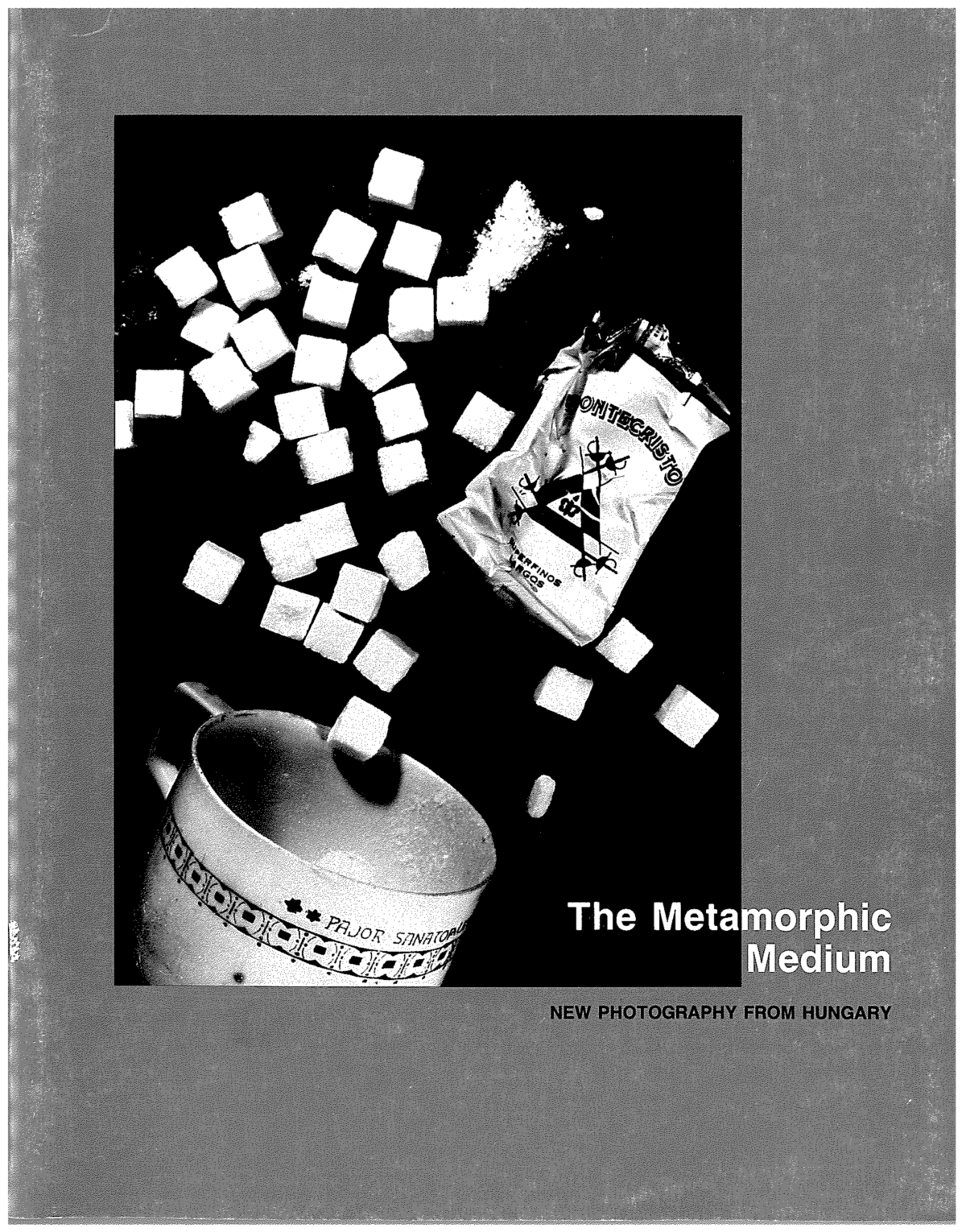
Jacob’s essay for Nightmare Works marked a turning point in his critical writing. For earlier exhibitions, he developed an interpretive method that combined art historical reference and current events. Looking at Hungarian photographers in The Metamorphic Medium, for example, reference to André Kertész or László Moholy-Nagy situated their work in the art historical past of international modernism, while discussion of the cultural imperatives of the János Kádár regime situated them in the geopolitical present. Jacob came to see that focusing on what was common and familiar to American audiences obscured the semantic complexity of Eastern European and Soviet photography, as utterly contemporary and distinctly postmodern. His essay for Nightmare Works was the first to address this interpretive inaccuracy. He did so by writing of the image as a text under state control. In authoritarian regimes, he argued, the state claims authorship of all texts. Authorized images may therefore be understood only through the closed or ideological text of state control. Unauthorized images operate differently. In the hands of an artist like Hajas, the open text of the unauthorized image transforms the viewer of the artwork into its author by forcing her to action. “Hajas’ performances challenged audiences against the danger of moral and intellectual passivity,” Jacob wrote.